Pantry staples for almond flour baking are the foundation of creating reliable, delicious recipes without the guesswork. If you’ve ever tried baking with almond flour and ended up with inconsistent textures or unexpected results, chances are your ingredient lineup needed a little adjustment.
Posts may be sponsored. This post contains affiliate links, which means I will make a commission at no extra cost to you should you click through and make a purchase. As an Amazon Associate I earn from qualifying purchases.
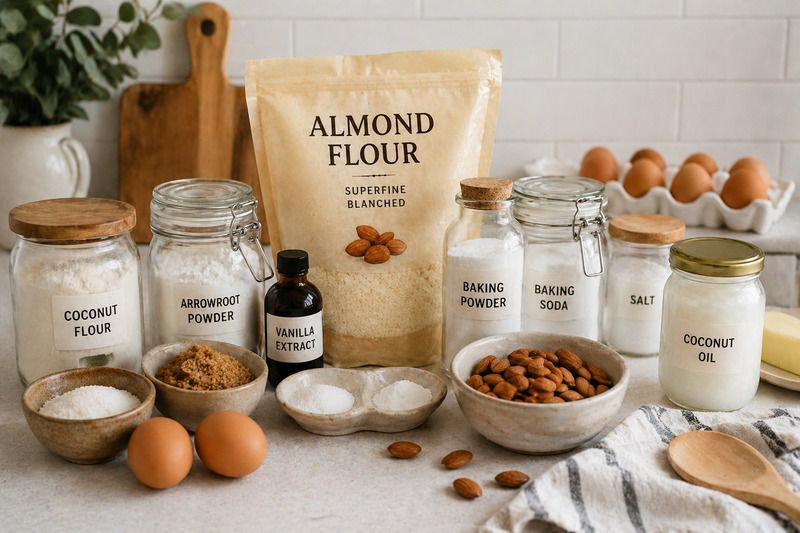
Pantry Staples for Almond Flour Baking
Having the right staples on hand makes all the difference, helping you bake with confidence while saving time and effort in the kitchen.
Almond flour baking is unique. Unlike traditional baking, it relies on a different balance of fats, moisture, and structure. Because almond flour doesn’t behave like wheat flour, your pantry needs to support those differences. With a well-stocked pantry, you can quickly whip up cookies, muffins, breads, and more without worrying about last-minute substitutions that might not work.
Whether you’re baking gluten-free, low carb, or simply love the flavor of almond flour, building a thoughtful collection of pantry staples will set you up for consistent success.
The Core Ingredient: Almond Flour
At the heart of every recipe is, of course, almond flour itself. Not all almond flour is created equal, and choosing the right type is essential.
Blanched almond flour is the most commonly used option. It’s made from almonds with the skins removed, resulting in a fine, light texture that works well in most recipes. This is the best choice for cakes, cookies, and muffins where a softer crumb is desired.
Almond meal, on the other hand, is made from whole almonds with the skins still intact. It has a coarser texture and darker color, which can affect both the look and feel of your baked goods. While it can be used in some recipes, it’s not always a direct substitute.
Keeping a fresh, high-quality almond flour in your pantry is key. Because it contains natural oils, it can go rancid more quickly than traditional flour, so storing it properly in an airtight container is important.

Binding Ingredients That Provide Structure
Since almond flour lacks gluten, you’ll need ingredients that help bind everything together and give your baked goods structure.
Eggs are one of the most important staples. They provide both moisture and stability, helping recipes hold their shape. Many almond flour recipes rely heavily on eggs, so keeping a steady supply on hand is essential.
For egg-free baking, alternatives like flaxseed meal or chia seeds can be used. When mixed with water, they form a gel-like consistency that mimics the binding properties of eggs.
Cream cheese and yogurt are also useful in certain recipes, adding both structure and moisture while contributing to a soft texture.
Absorbent Flours and Balancing Ingredients
Because almond flour is naturally moist and high in fat, it often benefits from a more absorbent ingredient to balance things out.
Coconut flour is one of the most valuable pantry staples for almond flour baking. It absorbs a significant amount of liquid, so even a small amount can help correct overly moist batter and improve texture.
Arrowroot flour and tapioca starch are also helpful. These light starches can add structure and improve the crumb of baked goods without making them heavy.
Having at least one of these absorbent options in your pantry gives you flexibility when adjusting recipes.
Sweeteners for Every Style of Baking
Sweeteners play a bigger role than just adding flavor. They also impact texture and moisture levels.
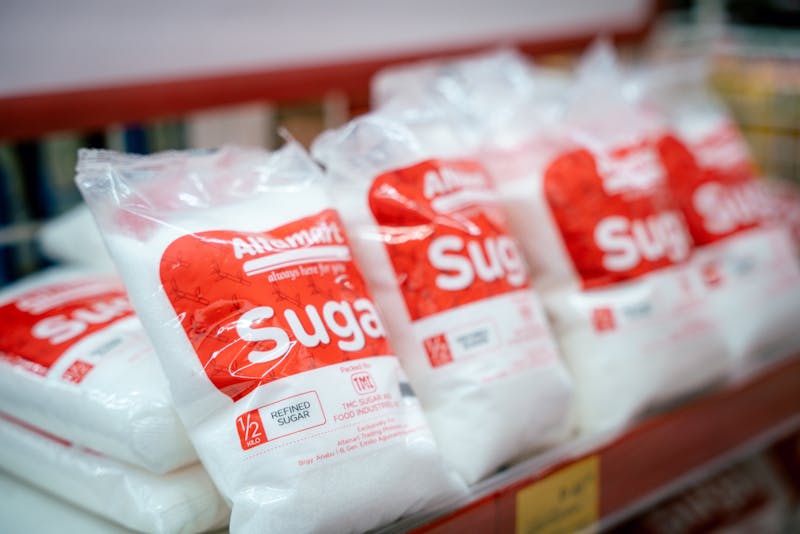
Traditional options like granulated sugar and brown sugar work well in many almond flour recipes, especially if you’re not following a low carb approach.
For lower sugar baking, alternatives like honey and maple syrup add natural sweetness but also increase moisture, so recipes may need slight adjustments.
Sugar substitutes such as erythritol or monk fruit blends are commonly used in low carb recipes. These behave differently than regular sugar, so it’s helpful to use recipes specifically developed for them.
Keeping a variety of sweeteners on hand allows you to tailor recipes to your preferences.
RELATED: Budget Friendly Tips for Allergy Friendly Baking
Fats That Enhance Flavor and Texture
Since almond flour already contains fat, the added fats you choose should complement rather than overwhelm your recipe.
Butter is a staple for its rich flavor and ability to create tender baked goods. Melted butter works well in many recipes, while softened butter is ideal for creaming methods. I use butter in my Almond Flour Shortbread Cookies.
Coconut oil is another popular option, especially for dairy-free baking. It adds moisture and a subtle flavor that pairs well with almond flour. I use it in my Almond Flour Mug Cake.
Olive oil can also be used in certain recipes, particularly for savory baked goods or quick breads.
Having a few different fat options gives you versatility in both flavor and dietary needs.
Leavening Agents for Lift
Without gluten, achieving the right rise can be a challenge. That’s where leavening agents come in.
Baking powder and baking soda are essential pantry staples. They help create lift and prevent baked goods from becoming too dense.
It’s important to make sure these ingredients are fresh, as they lose effectiveness over time. A quick test can help ensure they’re still active and ready to use.
In some recipes, whipped egg whites are used as a natural leavening method, adding air and lightness.
Flavor Enhancers That Make a Difference
Simple additions can elevate your almond flour baking from good to great.
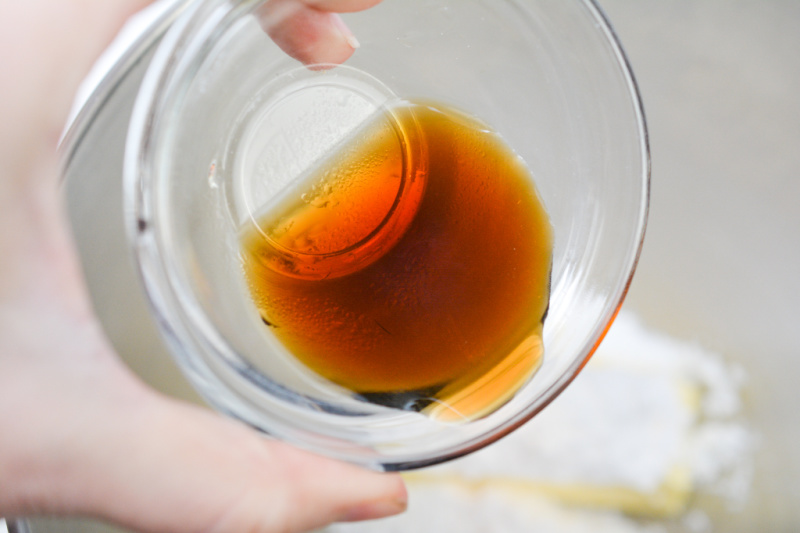
Vanilla extract is a must-have for adding warmth and depth to sweet recipes. Almond extract can enhance the natural flavor of the flour itself, but it should be used sparingly.
Salt is another crucial ingredient. Even in sweet recipes, a small amount helps balance flavors and enhance overall taste.
Spices like cinnamon, nutmeg, and pumpkin spice are excellent for adding variety and seasonal flair. Check out my Almond Flour Cinnamon Roll Bites.
Keeping a range of flavor enhancers allows you to experiment and create more interesting recipes.
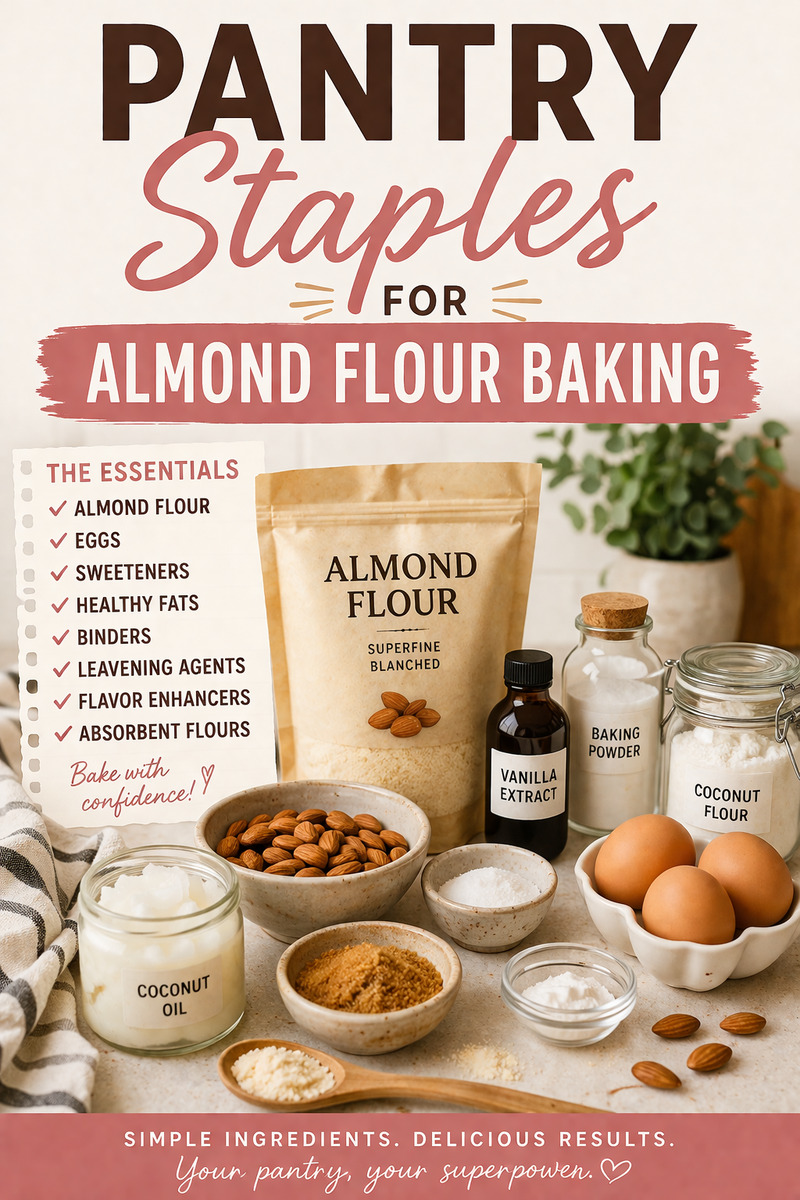
Tips for Stocking and Using Your Pantry
Building a pantry for almond flour baking doesn’t have to happen all at once. Start with the essentials and gradually add more as you try new recipes.
Store almond flour and other sensitive ingredients in airtight containers, preferably in a cool, dry place. For longer storage, almond flour can even be kept in the refrigerator or freezer.
Labeling ingredients and keeping them organized can save time and prevent mistakes while baking.
It’s also helpful to keep notes on what works best for you. Small adjustments to ingredients or ratios can make a big difference, and having a record helps you repeat successful results.
Conclusion
Pantry staples for almond flour baking are more than just ingredients—they are the building blocks of consistent, successful recipes. By understanding how each staple contributes to texture, flavor, and structure, you can approach baking with greater confidence and creativity. With a well-stocked pantry, you’ll be ready to tackle any recipe, make adjustments as needed, and enjoy the process of baking with almond flour every step of the way.

Ellen is a busy mom of a 25-year-old son and 29-year-old daughter and a grandma to an adorable girl. She owns 6 blogs and is addicted to social media. She shares simple tips and recipes for baking with almond flour. If you’d like to work together, email [email protected] to chat.