
Why your almond flour bread is dense and how to fix it. Learn simple baking tips, ingredient adjustments, and techniques to get light, fluffy almond flour bread every time.
Posts may be sponsored. This post contains affiliate links, which means I will make a commission at no extra cost to you should you click through and make a purchase. As an Amazon Associate I earn from qualifying purchases.
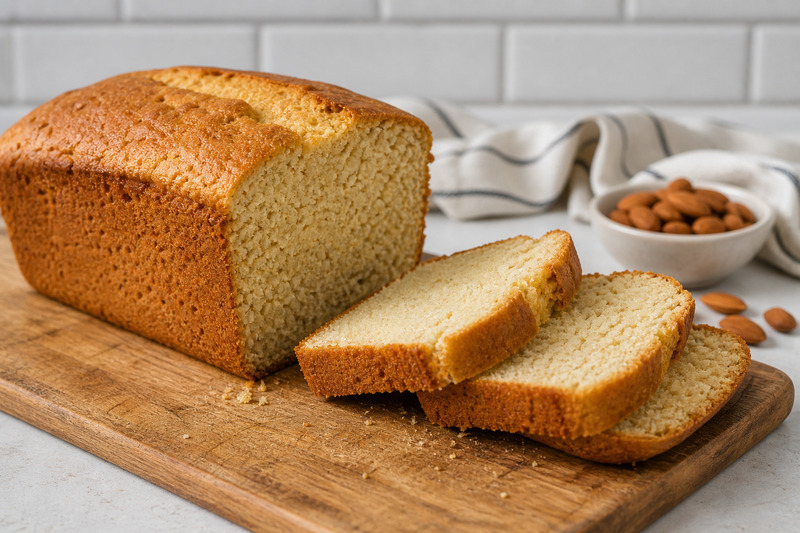
Why Your Almond Flour Bread Is Dense
Why your almond flour bread is dense is a question many home bakers ask after their first few attempts with this popular gluten-free ingredient. Almond flour baking can feel completely different from traditional baking, and bread is often where those differences become most noticeable. Instead of a light, airy loaf, you may end up with something heavy, compact, or even slightly wet in the center.
The good news is that dense almond flour bread is usually caused by a few common issues that are easy to fix once you understand what’s happening. With the right ingredients, techniques, and a few small adjustments, you can achieve a softer, lighter texture that feels much closer to traditional bread.
Understanding Why Almond Flour Bread Turns Dense
Almond flour behaves very differently than wheat flour. It is naturally higher in fat and does not contain gluten, which is the protein responsible for structure and elasticity in traditional bread. Without gluten, almond flour bread relies on other ingredients like eggs and leavening agents to create lift and hold everything together.
Because of this, even small imbalances in your recipe can lead to a dense result. Too much moisture, not enough structure, or improper mixing can all contribute to a loaf that doesn’t rise as expected.
Understanding these differences is the first step toward improving your results.

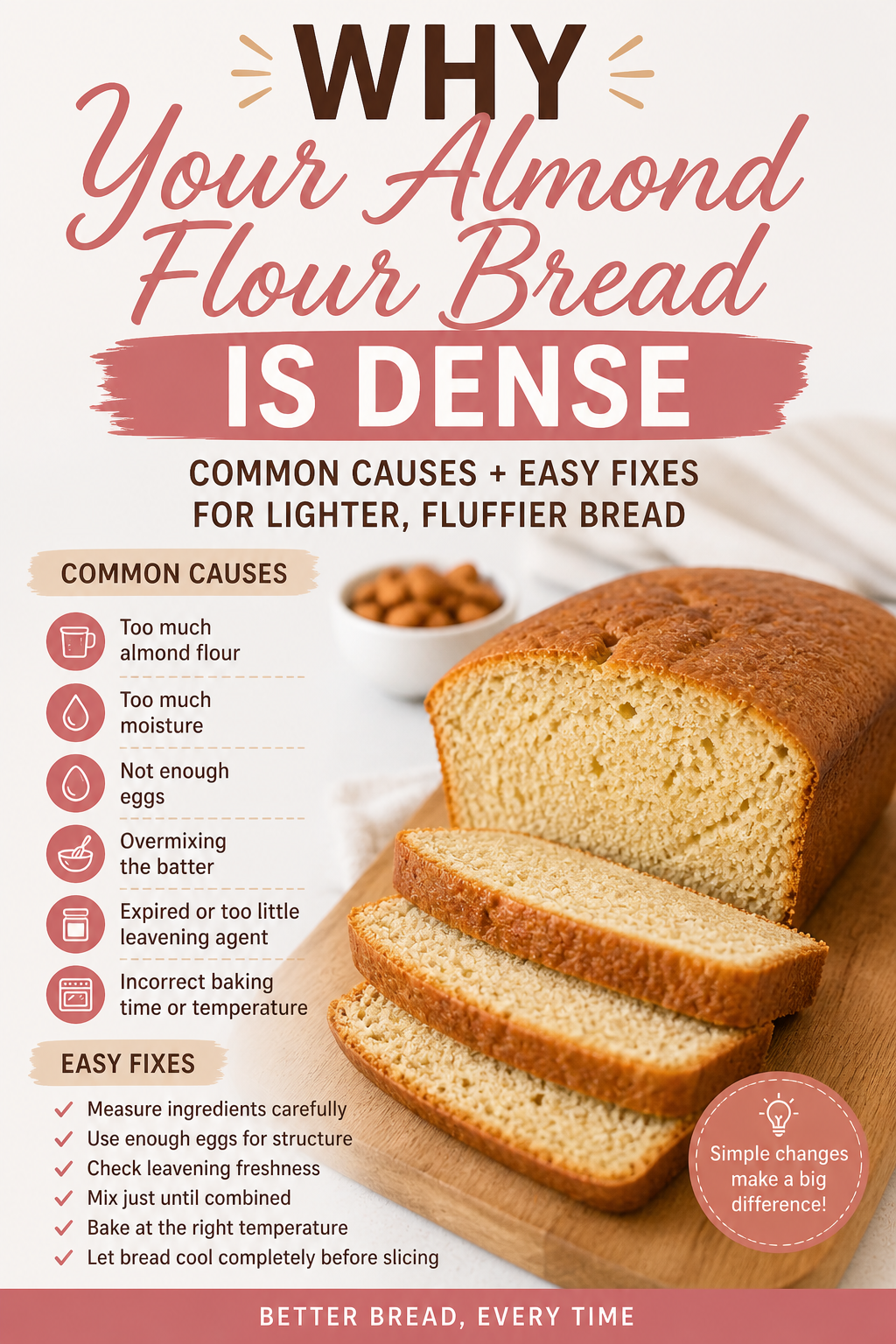
Common Reasons Your Almond Flour Bread Is Dense
One of the most common causes is using too much almond flour. While it may seem like adding more would improve the structure, it can actually make the bread heavier and more compact.
Another issue is not using enough eggs. Eggs provide both structure and lift, and reducing them or substituting improperly can lead to a dense texture.
Leavening agents are also critical. If your baking powder or baking soda is expired or not used in the right amount, your bread won’t rise properly.
Overmixing or undermixing the batter can also affect the final result. Overmixing can deflate air bubbles, while undermixing can leave the batter uneven.
Finally, baking temperature and time play a big role. Almond flour bread often needs a slightly lower temperature and longer baking time to cook through evenly without becoming too dense or overly moist.
The Role of Moisture and Fat
Almond flour contains natural oils, which means your batter already starts with a higher fat content than traditional bread recipes. Adding too much additional fat, such as butter or oil, can weigh the bread down and contribute to a dense texture.
Moisture is another important factor. Ingredients like milk, yogurt, or sweeteners such as honey can add extra liquid that the almond flour cannot fully absorb. This can result in a loaf that feels heavy and undercooked in the center.
Balancing moisture and fat is essential for achieving the right texture.
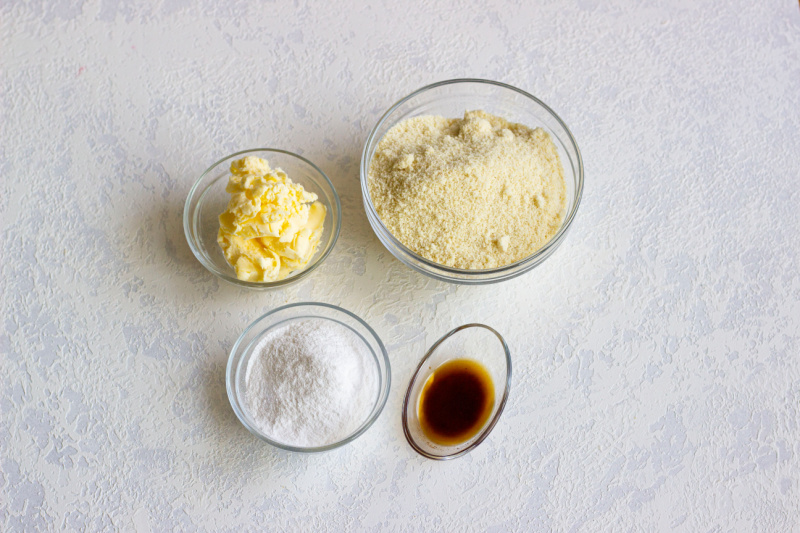
How to Fix Dense Almond Flour Bread
Start by reviewing your ingredient ratios. Make sure you’re not adding too much almond flour or too many wet ingredients. Following a well-tested recipe is especially important when working with almond flour.
Check your leavening agents to ensure they are fresh and properly measured. Even a small difference can impact how much your bread rises.
Consider adding a more absorbent ingredient like coconut flour. Just a small amount can help balance moisture and create a lighter crumb.
Be mindful of your mixing technique. Mix until the ingredients are just combined, and avoid overworking the batter.
Adjust your baking method if needed. Lowering the oven temperature slightly and baking for a longer time can help the bread cook through evenly without becoming dense on the outside and underdone inside.
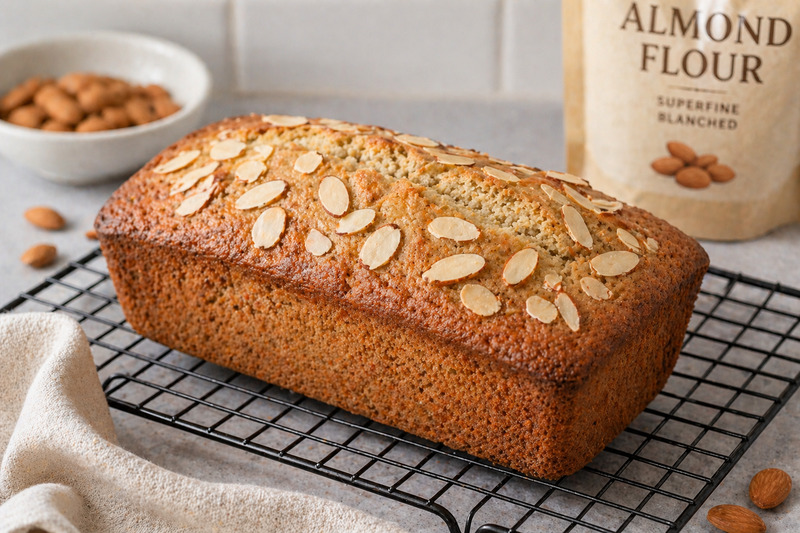
Tips for a Lighter Texture
Use room temperature ingredients whenever possible. This helps everything combine more smoothly and evenly.
Separate your eggs and whip the egg whites before folding them into the batter. This technique adds air and can significantly improve the lightness of your bread.
Measure your almond flour correctly by spooning it into the measuring cup and leveling it off. Packing it down can lead to using too much, which makes the bread denser.
Allow your bread to cool completely before slicing. Almond flour bread continues to set as it cools, and cutting into it too early can make it seem denser than it actually is.
Use the right pan size. A pan that is too small can cause the batter to be too thick, preventing even baking and proper rise.
RELATED: Why almond flour baked goods are too moist
Choosing the Right Ingredients
Blanched almond flour is the best choice for bread because of its fine texture and lighter color. Using almond meal can result in a heavier, denser loaf.
High-quality eggs and fresh leavening agents also make a noticeable difference. These ingredients play a key role in creating structure and lift.
If you’re experimenting with substitutions, make changes gradually. Almond flour recipes are sensitive to adjustments, so small changes are more effective than large ones.
Conclusion
Understanding why your almond flour bread is dense comes down to recognizing how this ingredient behaves differently from traditional flour. From ingredient ratios to baking techniques, every detail plays a role in the final texture. By making a few simple adjustments and paying attention to how your ingredients interact, you can transform dense, heavy loaves into lighter, more enjoyable bread. With practice and the right approach, almond flour bread can become a reliable and satisfying part of your baking routine.

Ellen is a busy mom of a 25-year-old son and 29-year-old daughter and a grandma to an adorable girl. She owns 6 blogs and is addicted to social media. She shares simple tips and recipes for baking with almond flour. If you’d like to work together, email [email protected] to chat.