
If you’ve ever wondered how to bake with almond flour, you’re not alone. This naturally gluten-free, nutrient-packed flour has taken the baking world by storm, and for good reason. It delivers a tender texture, a subtly nutty flavor, and a healthy dose of vitamins, minerals, and plant-based protein. But here’s the thing: almond flour doesn’t act like wheat flour. If you’ve ever swapped it one-for-one in a recipe and ended up with a flat, oily, or crumbly bake, you know exactly what I mean.
Posts may be sponsored. This post contains affiliate links, which means I will make a commission at no extra cost to you should you click through and make a purchase. As an Amazon Associate I earn from qualifying purchases.
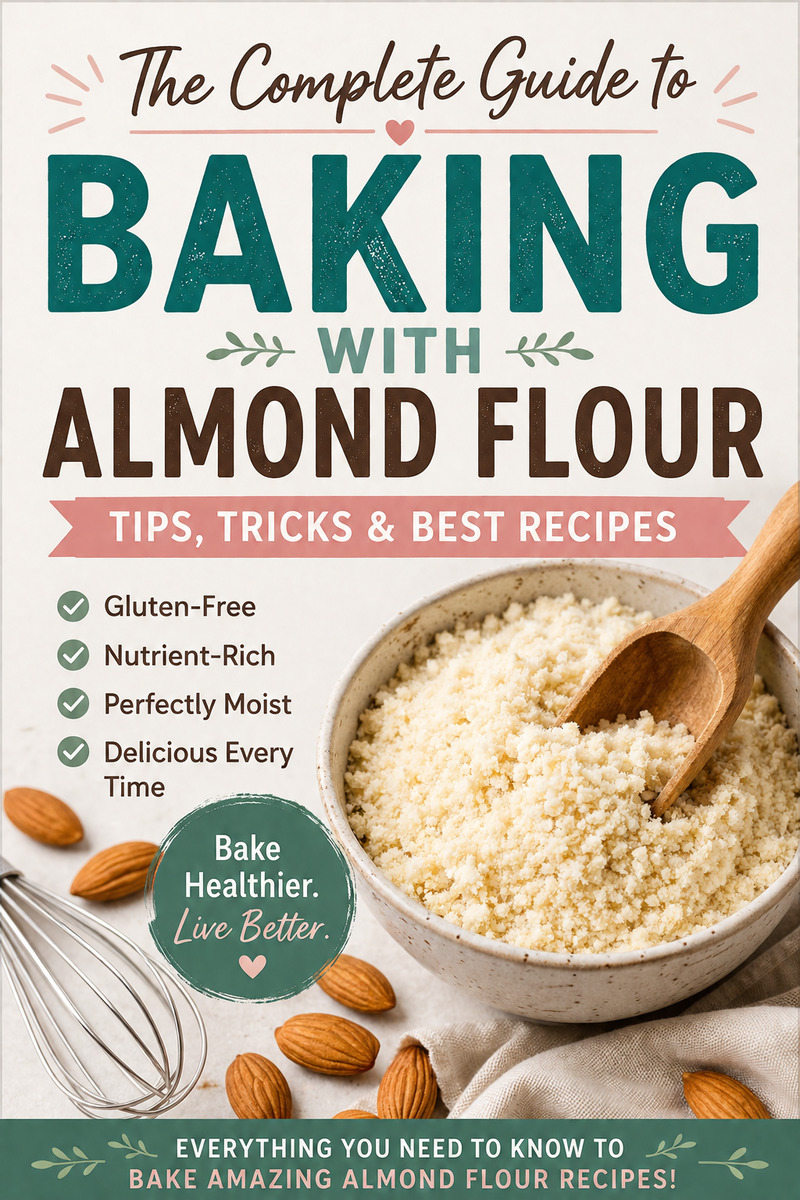
Baking with Almond Flour
This guide is here to help you avoid those common mistakes. Whether you’re brand new to gluten-free baking or just curious about healthier alternatives, you’ll learn exactly what almond flour is, how it behaves in recipes, and how to adapt your baking so your results turn out light, moist, and full of flavor — every single time.
Why Almond Flour Is So Popular Right Now
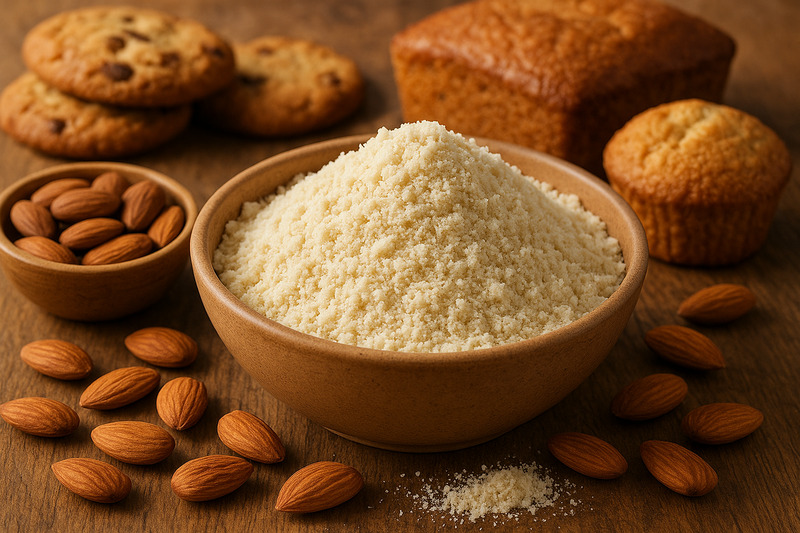
Over the past decade, almond flour has gone from a specialty store item to a pantry staple for health-conscious bakers. It’s naturally gluten-free, making it a go-to for people with celiac disease or wheat sensitivity. It’s also low in carbs and high in healthy fats, which is why you’ll see it featured in paleo, keto, and Whole30 recipes.
But beyond the health benefits, many bakers simply love the rich, slightly sweet taste almond flour brings to recipes. From soft breakfast muffins to decadent chocolate tortes, it adds an unmistakable warmth and depth of flavor that’s hard to match with regular flour.
Check out my favorite almond flour.
What Exactly Is Almond Flour?
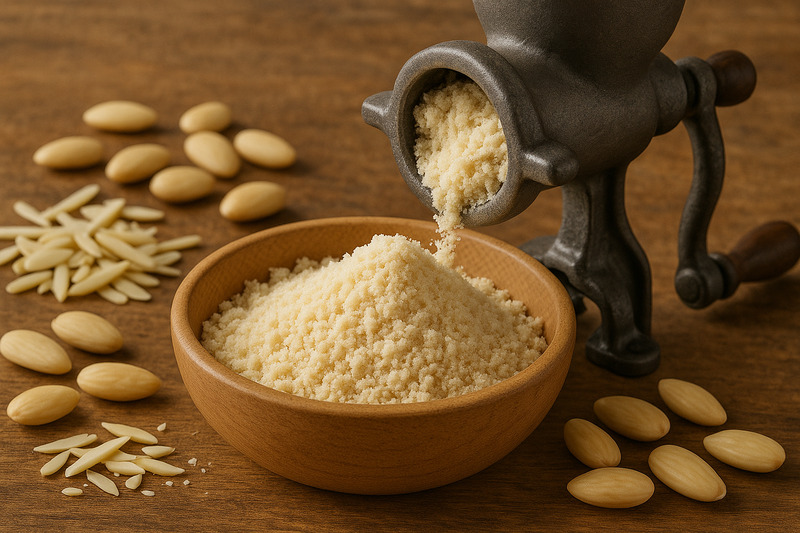
Almond flour is made by grinding blanched almonds (almonds with the skins removed) into a fine powder. The result is a light, soft flour with a pale ivory color. Because it’s made from almonds, it’s naturally grain-free and nutrient-rich, packed with vitamin E, magnesium, and protein.
It’s important to note that almond flour is not the same as almond meal. Almond meal is made from whole almonds (skins included) and has a coarser texture and darker specks throughout. Almond meal works well in heartier recipes like rustic loaves, breading, or certain cookies, but for delicate pastries, cakes, and fine-textured bakes, almond flour is the better choice.
RELATED: Almond flour baking mistakes
How Almond Flour Behaves in Baking
One of the biggest differences between almond flour and wheat flour is that almond flour contains no gluten. Gluten is what gives dough its stretch and helps baked goods hold their shape. Without it, almond flour batters and doughs tend to be more delicate, and the finished product can crumble if not properly bound together with eggs or other binders.
Almond flour is also naturally higher in fat than wheat flour. This fat adds moisture and richness but can make baked goods overly dense or greasy if the rest of the recipe isn’t balanced. That’s why most recipes using almond flour call for slightly different proportions of wet and dry ingredients, and often a lower baking temperature.
The Learning Curve — and Why It’s Worth It
The first time you bake with almond flour, you might find that your batter looks thicker or thinner than expected, or that your muffins brown faster than they rise. This is completely normal. Almond flour has a different “rhythm” in the oven, and part of learning how to bake with it is understanding how it responds to heat and moisture.
The payoff is worth it. When you master almond flour baking, you get goods that are incredibly moist (without feeling underbaked), have a beautiful golden color, and stay fresh longer than many wheat-based bakes. And because almond flour’s flavor is mild, it works equally well in sweet or savory recipes.
Next, we’ll look at exactly how to adjust your recipes so almond flour works for you — not against you. By the end of this guide, you’ll have a go-to reference for your pantry and a foundation for all the almond flour recipes you’ll want to try in the future.
RELATED: Why your almond flour bread is dense
Use More Eggs – Adds structure and helps with rising.
Reduce Liquid – Almond flour retains moisture well, so cut back slightly.
Pair with Binding Agents – Xanthan gum, psyllium husk, or flaxseed can improve texture.
Lower Baking Temperature – Almond flour browns quickly; bake at 25°F lower than recipes using wheat flour.
Section 5 – Related Recipes
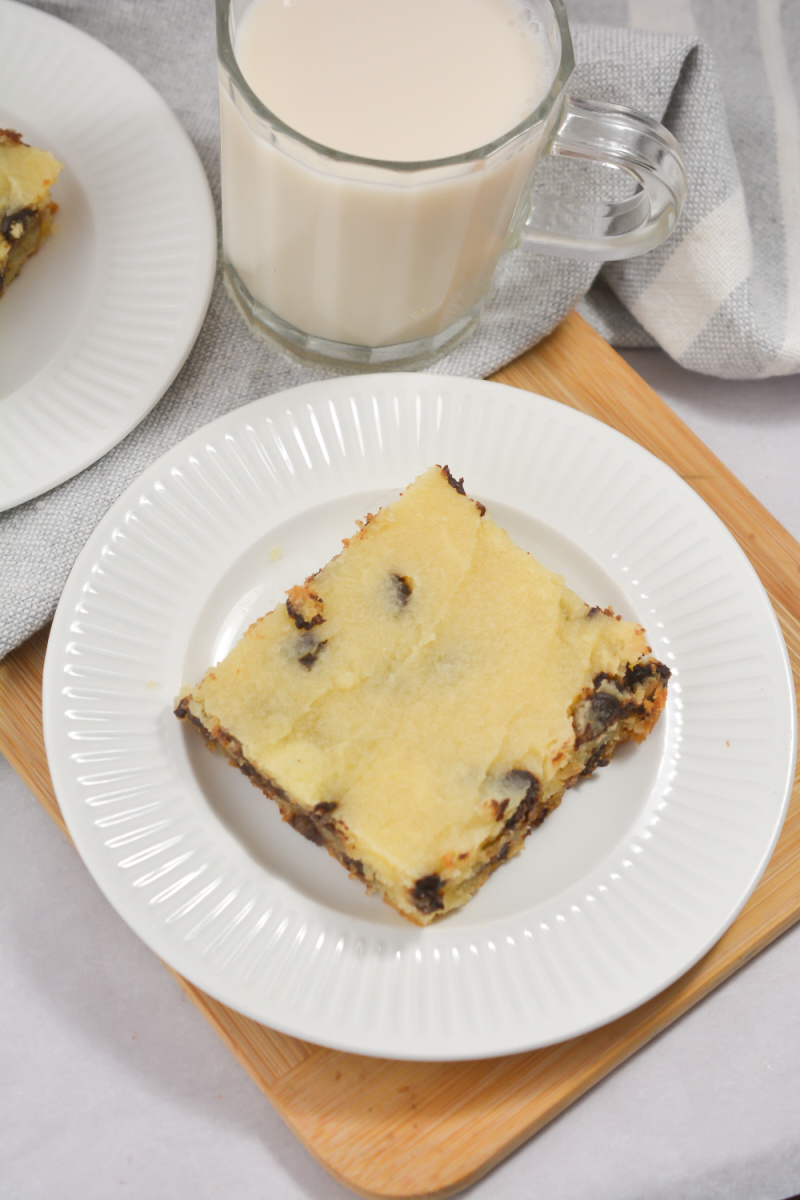
Almond Flour Chocolate Chip Cake
Almond Flour Shortbread Cookies
Almond Flour Chocolate Cupcakes
Almond Flour Cinnamon Roll Bites
Frequently Asked Questions
Can I substitute almond flour for all-purpose flour?
Not usually. Almond flour behaves very differently than all-purpose flour because it doesn’t contain gluten and has a much higher fat content. Most recipes need adjustments to the eggs, liquids, and leavening if you want to use almond flour successfully. For the best results, use recipes that were specifically developed for almond flour.
Why are my almond flour baked goods so crumbly?
Because almond flour doesn’t contain gluten, baked goods rely on eggs or other binding ingredients for structure. If your muffins, cookies, or bread fall apart easily, try adding an extra egg or another binder such as psyllium husk or ground flaxseed.
Does almond flour make baked goods healthier?
Almond flour is naturally rich in healthy fats, protein, fiber, vitamin E, and magnesium. It is also lower in carbohydrates than traditional wheat flour. Whether it’s “healthier” depends on your dietary needs, but it’s a popular choice for gluten-free, paleo, and low-carb baking.
Why does almond flour brown so quickly?
The natural oils and proteins in almonds brown faster than wheat flour. To prevent over-browning, bake at a temperature about 25°F lower than a comparable wheat-flour recipe, and keep an eye on your baked goods during the last few minutes of baking.
Can I use almond meal instead of almond flour?
Sometimes, but the results will be different. Almond meal is coarser and includes the almond skins, giving baked goods a denser texture. Almond flour is finer and better suited for cakes, muffins, cookies, and pastries where you want a lighter crumb.
How should I store almond flour?
Because it’s high in natural oils, almond flour can become rancid if stored improperly. Keep it in an airtight container in the refrigerator for several months or in the freezer for even longer storage. Always let refrigerated or frozen almond flour come to room temperature before baking for the most consistent results.
What types of recipes work best with almond flour?
Almond flour works especially well in:
- Muffins
- Quick breads
- Cookies
- Cakes
- Brownies
- Pancakes
- Pie crusts
- Crackers
It is less suitable for yeast breads unless it’s combined with other flours or specialized ingredients.
Conclusion:
Learning how to bake with almond flour opens the door to endless creative and healthy recipes. By understanding its quirks and making small adjustments, you’ll enjoy perfectly tender, flavorful bakes every time. Bookmark this guide and check back for our growing list of almond flour recipes!

Ellen is a busy mom of a 25-year-old son and 29-year-old daughter and a grandma to an adorable girl. She owns 6 blogs and is addicted to social media. She shares simple tips and recipes for baking with almond flour. If you’d like to work together, email [email protected] to chat.
Thank you Thank you Thank you
This site is a baked goods saver. My first attempt at baking a cake with almond flour was horrific. I didn’t realize that I couldn’t just sub the almond flour for regular ole all purpose or cake flour. I followed the recipe and ended up with a fried greasy mushy mess that sank. It was supposed to be a pound cake so silly me thinking 6 eggs were sufficient, nope. But for what it’s worth despite all the grease it was kinda tasty, but of course I only tasted it a little piece.
So glad that my site is helping you!